


AI Advertising Controversy
AI doesn't guarantee the results from advertising marketing; it merely accelerates activity. Tools generate output, but only deliberate systems produce meaningful outcomes. For any of this to even matter, the tools had to get significantly better. They did. Fast… AI tools have gotten so good the results look so polished the polish itself is both captivating and tense. People are already starting the debate on how advanced AI is getting, what is ok, and what is not ok.

The Human Signal
People are becoming skeptical of content that feels gratuitously overengineered. Advertising has spent decades chasing a version of perfection that probably never existed in the first place. Better cameras. Better editing software. Better targeting. Better analytics. Better production quality. Every few years the tools improve, the workflows get faster, and the gap between what a small business can produce versus a major corporation gets a little smaller. All while this is happening in real time. For the longest time, that seemed like the obvious goal. Make everything cleaner. Sharper. More polished. More professional.
The Memory Merchant
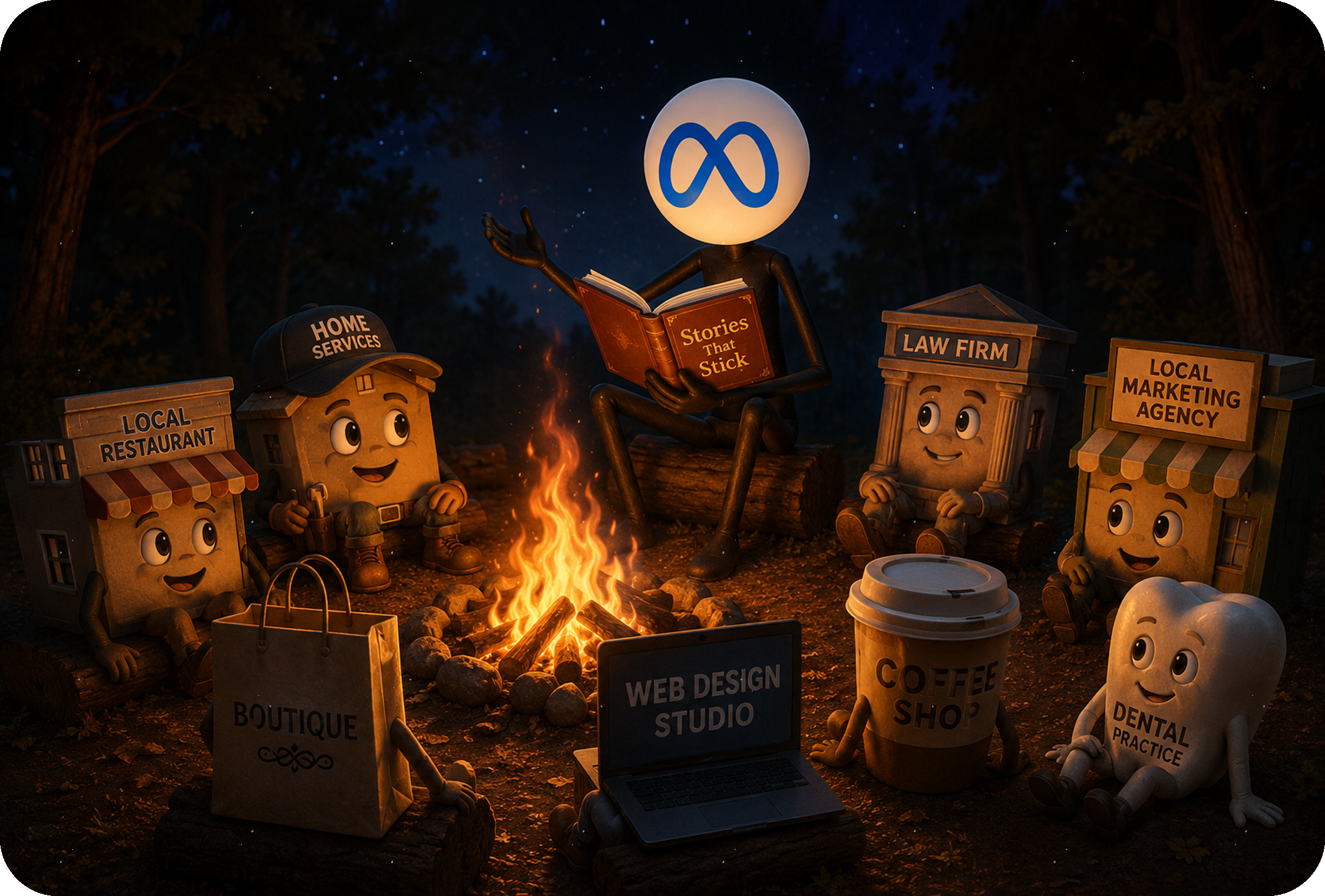
A customer might forget your prices, your catchphrase, and even your company name. But they'll remember the one time you solved the very problem they'd spent hours searching the Internet for without finding a real answer. They remember how you treated them, or the story someone told about your business. Memory isn't organized like a spreadsheet. It isn't even organized the way large language models like ChatGPT and Gemini use memory. It's organized like a narrative.
Beyond the Tools
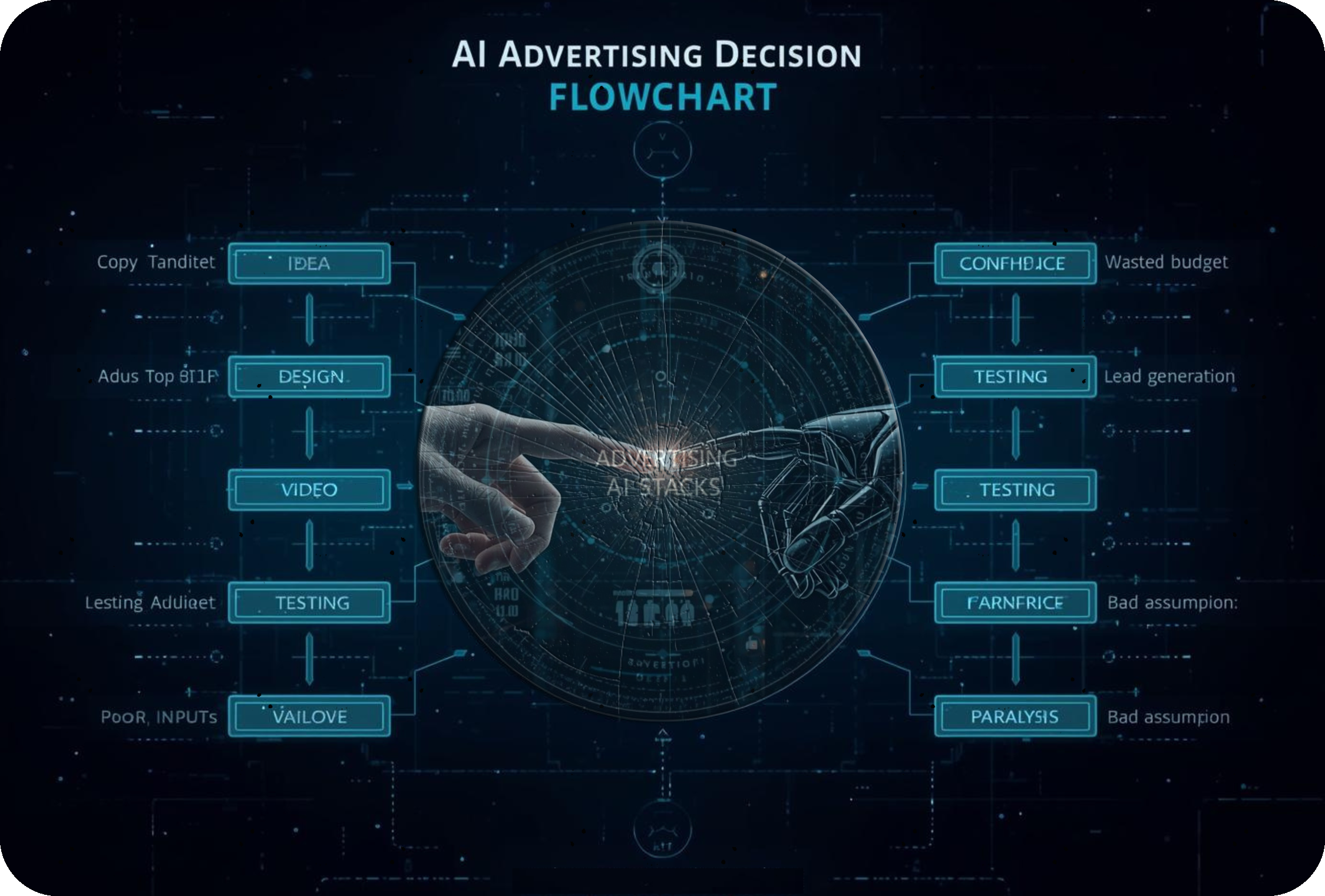
Talking about which top AI applications dominate the landscape changes by the week now. When talking about what flavor of AI apps are considered top can very easily turn into a boring listicle, or worse, a generic SEO farm article. What this series of articles try to do is attempt to explain how AI tools are actually being used in real advertising workflows and make that NOT sound scary to small businesses. Not as tools per se, but rather, systems of tools. AI Stacks and use cases. The tools themselves do not actually matter. The way those tools are combined does.

The Automation Illusion
Meta’s AI makes advertising easier to run, faster to scale, and quicker to adjust — but it does not replace strategy. It amplifies whatever you give it.
The Illusion of Expensive Advertising
Spending More Doesn’t Guarantee Visibility — It Often Guarantees Wastefulness. There’s a common assumption in business that spending more on advertising increases your chances of being seen. At face value, that feels logical. Spending more money on advertising should mean more instances of ads reaching more eyes. More exposure.

The Mating Ritual of Advertising
Interest, curiosity, and want — all happen quickly, often before you realize it. And only after that moment does the mind step in to justify it. Advertising doesn’t just appeal to logic — it taps into emotion, desire, attraction, and instinct in ways most people don’t consciously notice. People believe they make rational decisions when it comes to what they buy, what they click, and even how they market their own business — but most buying decisions are emotional first, and logical last. Not second. Last.

To Be Simple — or Not at All
Why Facebook Advertising Feels Simple — And Why It Isn’t for Small Businesses…